AI and Power: An Exhibition
AI and Power
Cyborg Storytelling on the Intersections of Machine Intelligence and Imperialism
Pop-up exhibition April 2nd 5pm - 7pm | Upstairs at 322 NW 6th Ave, Portland, OR 97209
Your voice is important. Come, and comment on the ways AI is changing our world, and what you think that world should look like.This is an immersive and interactive exhibition that invites visitors to interrogate how artificial intelligence (AI) may interact with historical dynamics of imperialism. Through a series of AI-powered interactive fictions, the exhibition will create a venue for active, experiential engagement with the contexts and impacts of generative AI, and invite visitors to contribute their reflections to a digital archive.The installation features four interactive narratives, co-created by a human visitor and a more-than-human interlocutor, and a forum to share written and audio reflections on the ways in which our world is changing. The goal is to prompt reflection on our relationship with machine intelligence as a force of political and social control, or of change.
Panel dicussion 5.30pm - 6.30pm with Ramón Alvarado, Nandini Ranganathan and Michael Dylan Rogers
About the Exhibition
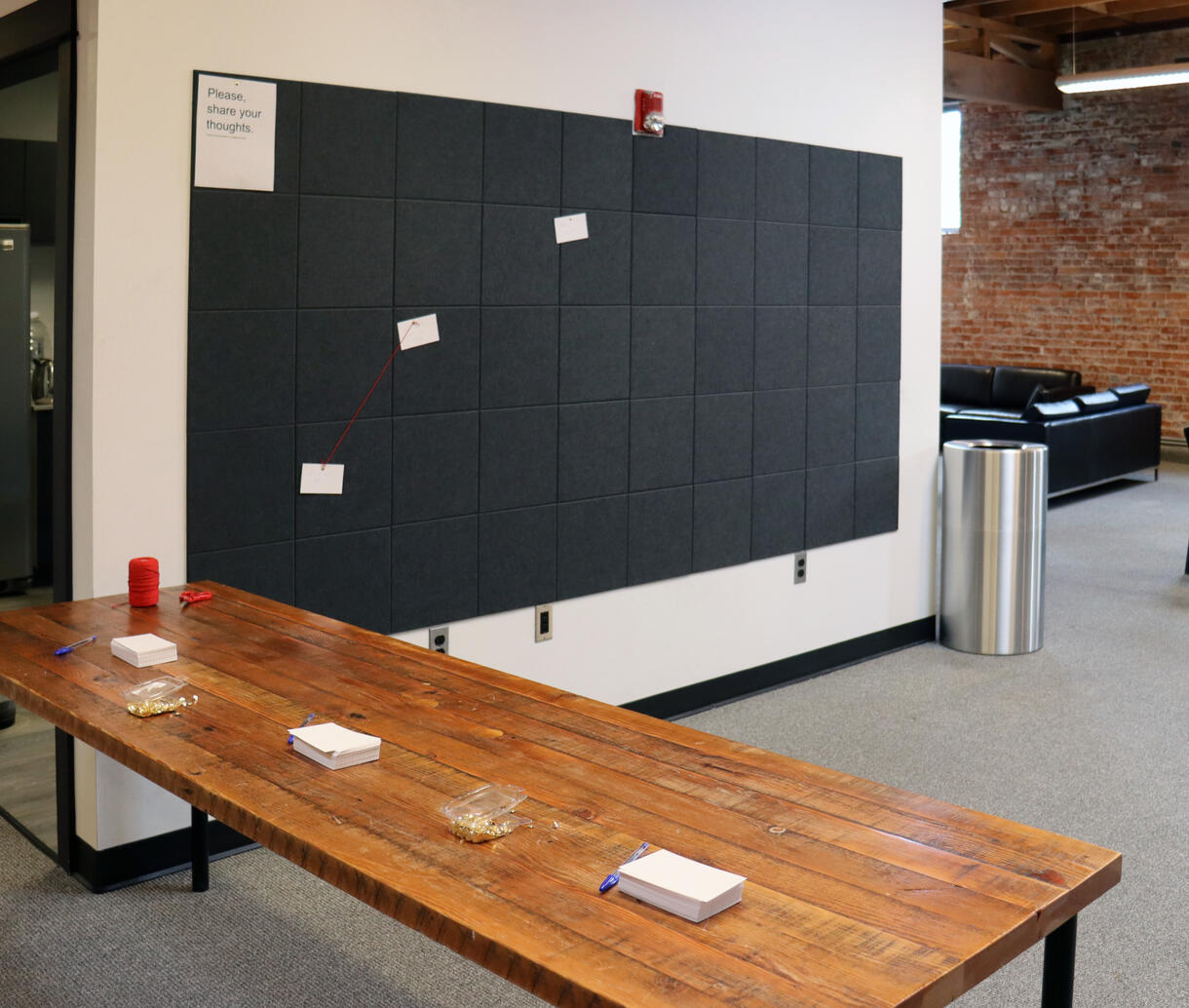
This is an immersive and interactive exhibition that invites visitors to comment on the ways in which artificial intelligence (AI) may interact with historical dynamics of imperialism.Visitors are invited to explore possible futures with these new technologies, and are invited to record their comments, across handwritten notes, a digital noticeboard, and audio recordings. Many feel left behind by the rapid change in technical capabilities, but as our world is reshaped, engagement and commentary are needed more than ever.Through a series of AI-powered interactive fictions, the exhibition will create a venue for active, experiential engagement with the contexts and impacts of generative AI. It opens a space for public dialogue on the relationship of AI to digital colonialism, resource extraction, and algorithmic control. Here, the AI is rendered a tool for critical examination of its own role in concentrating power and extending global hegemony–and to explore its potential as a tool for resistance.The goal is to prompt reflection on our relationship with machine intelligence as a force of political and social control, or of change.

Installation View: System Resources

Installation View: Interference

Desk View: Rosemary

Desk View: Think Mode

Installation View: Messageboard

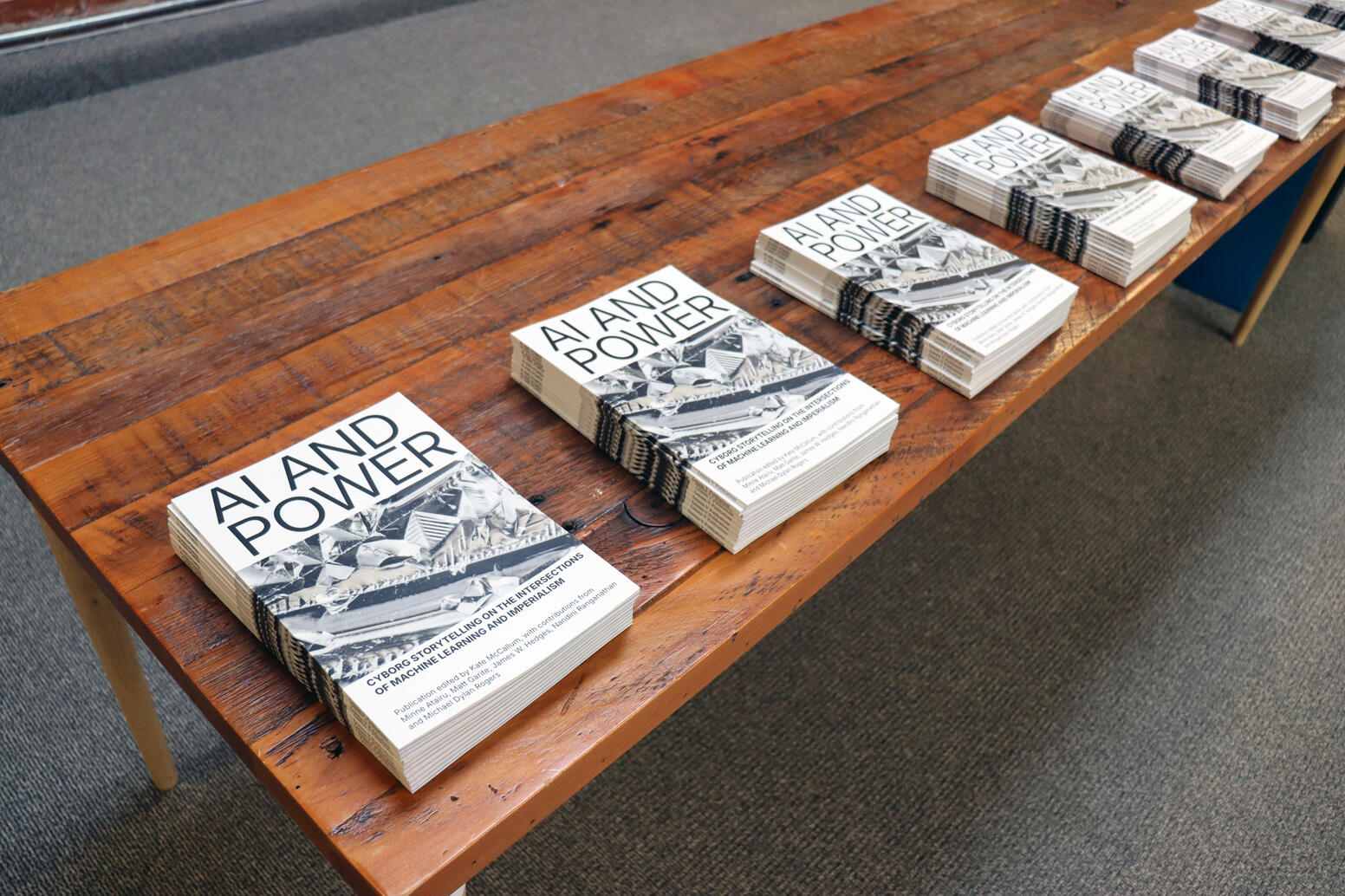
Installation View: Publication
The Four Story Worlds
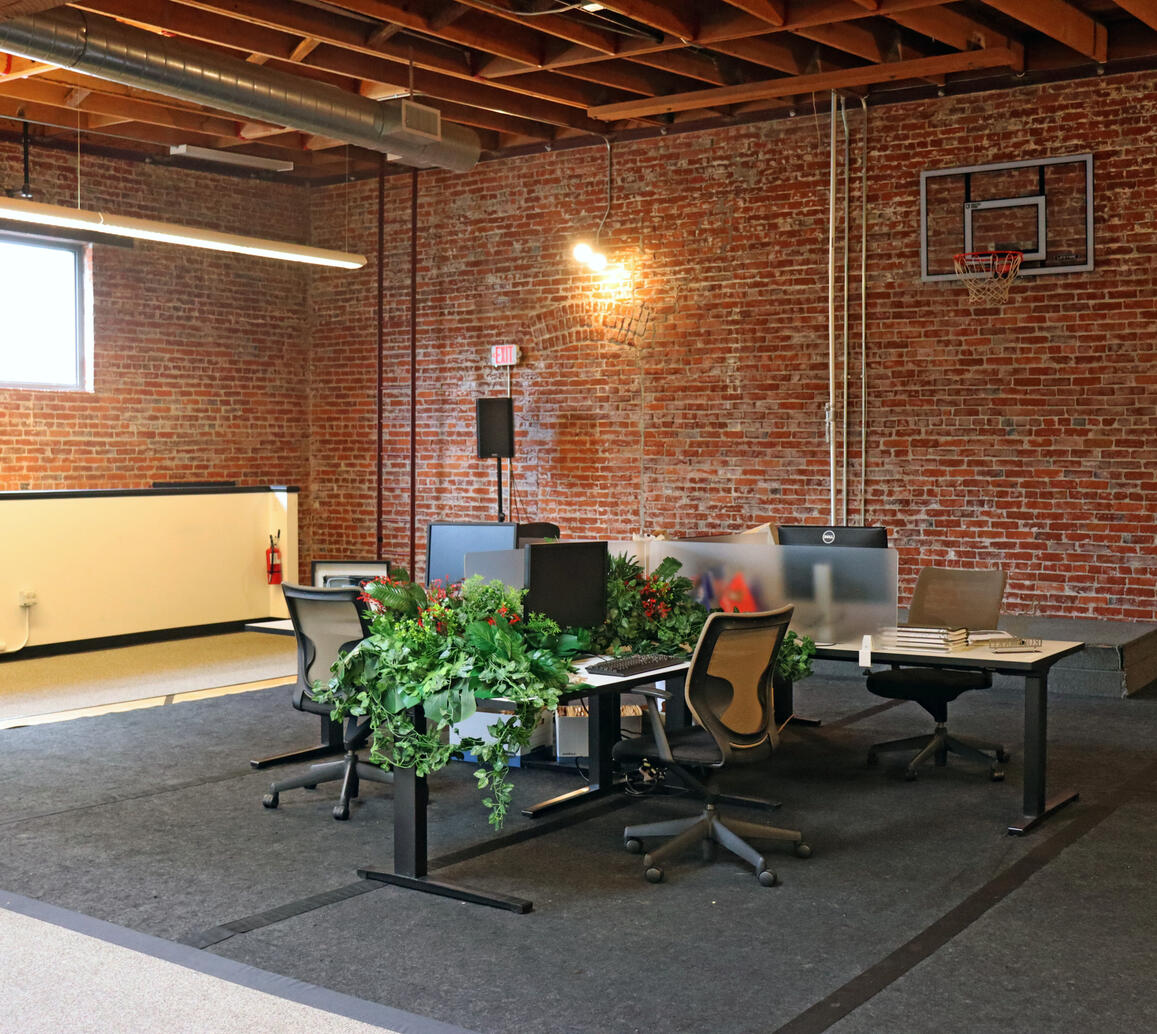
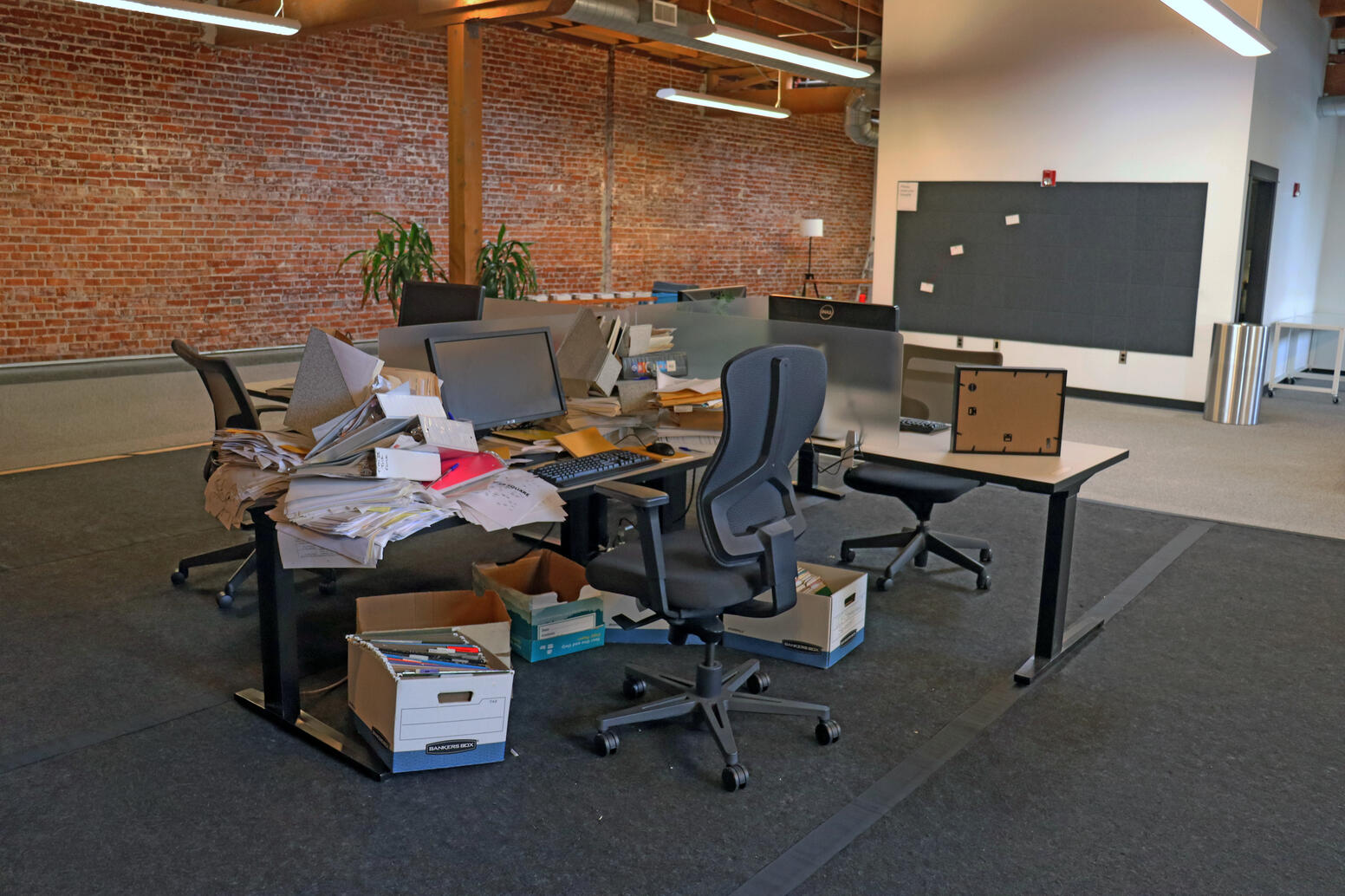
The gallery space is dominated by a quad-workstation desk island. Each desk serves as a portal to a specific interactive fiction and is saturated by the trappings of that narrative environment. Visitors are invited to sit and interact with the AI-powered narratives by inputting text, co-creating an entirely open-ended story.
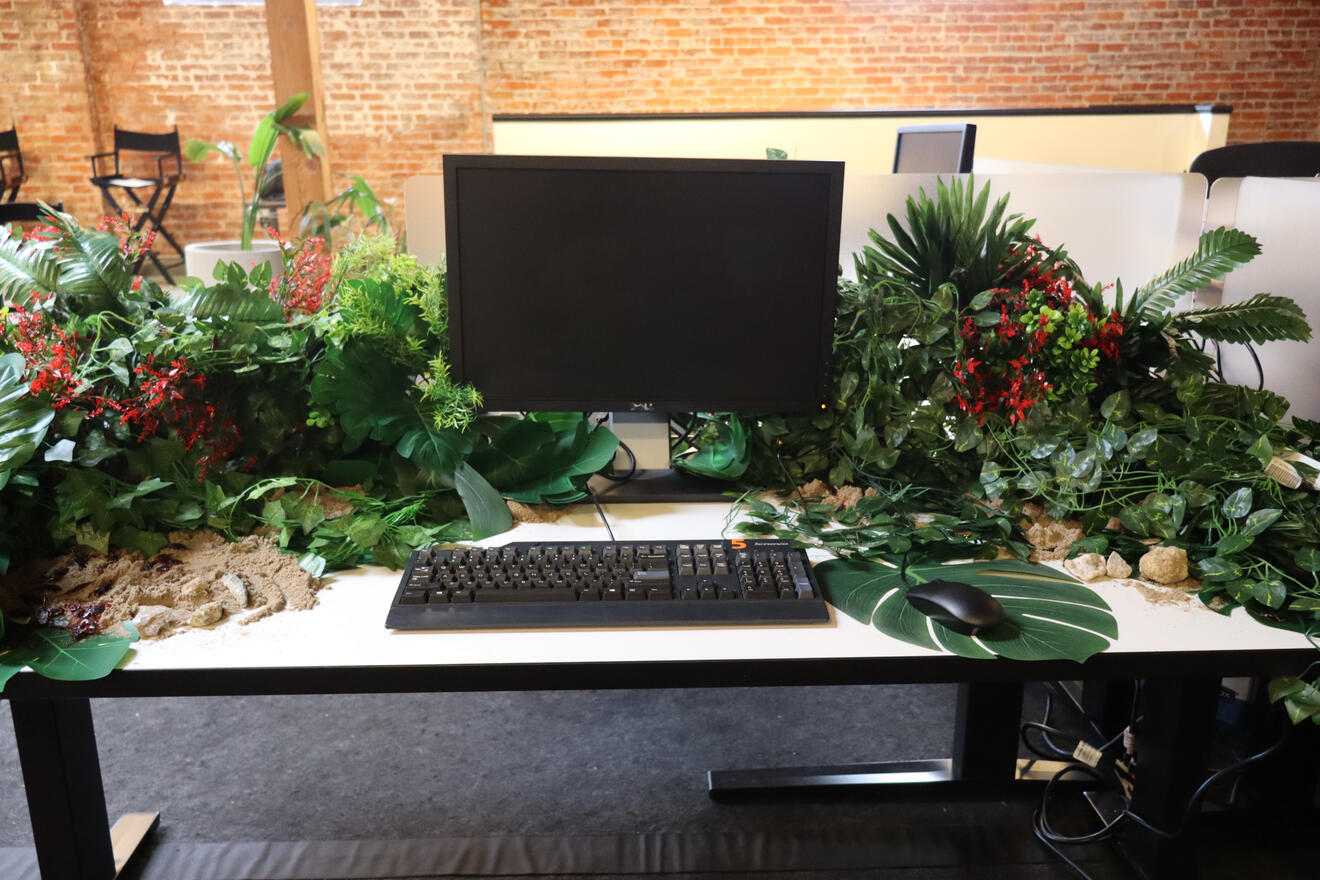
System Resources
This is a portal that allows you to observe some of the material and social implications of the GenAI boom. Are you ready to begin?
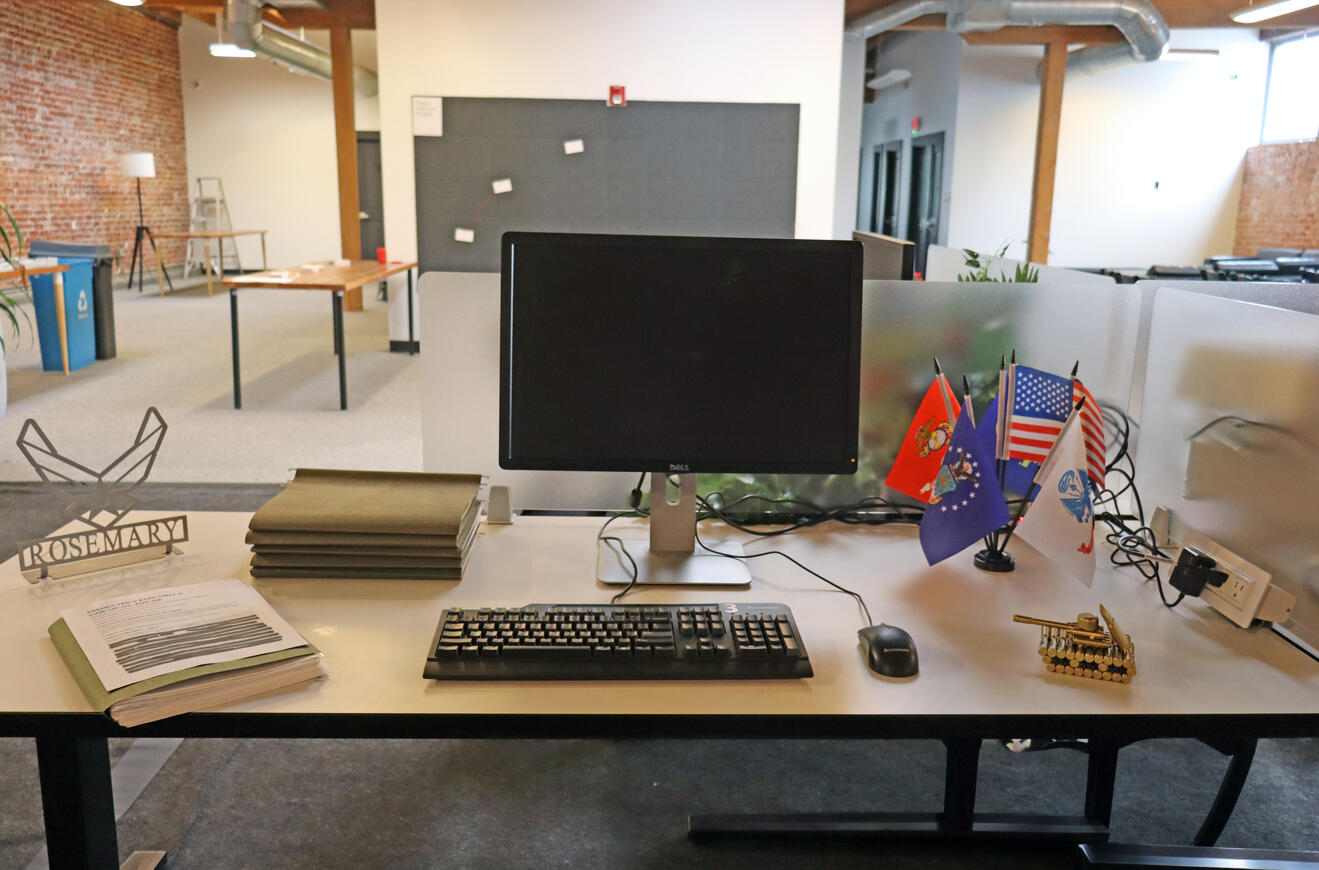
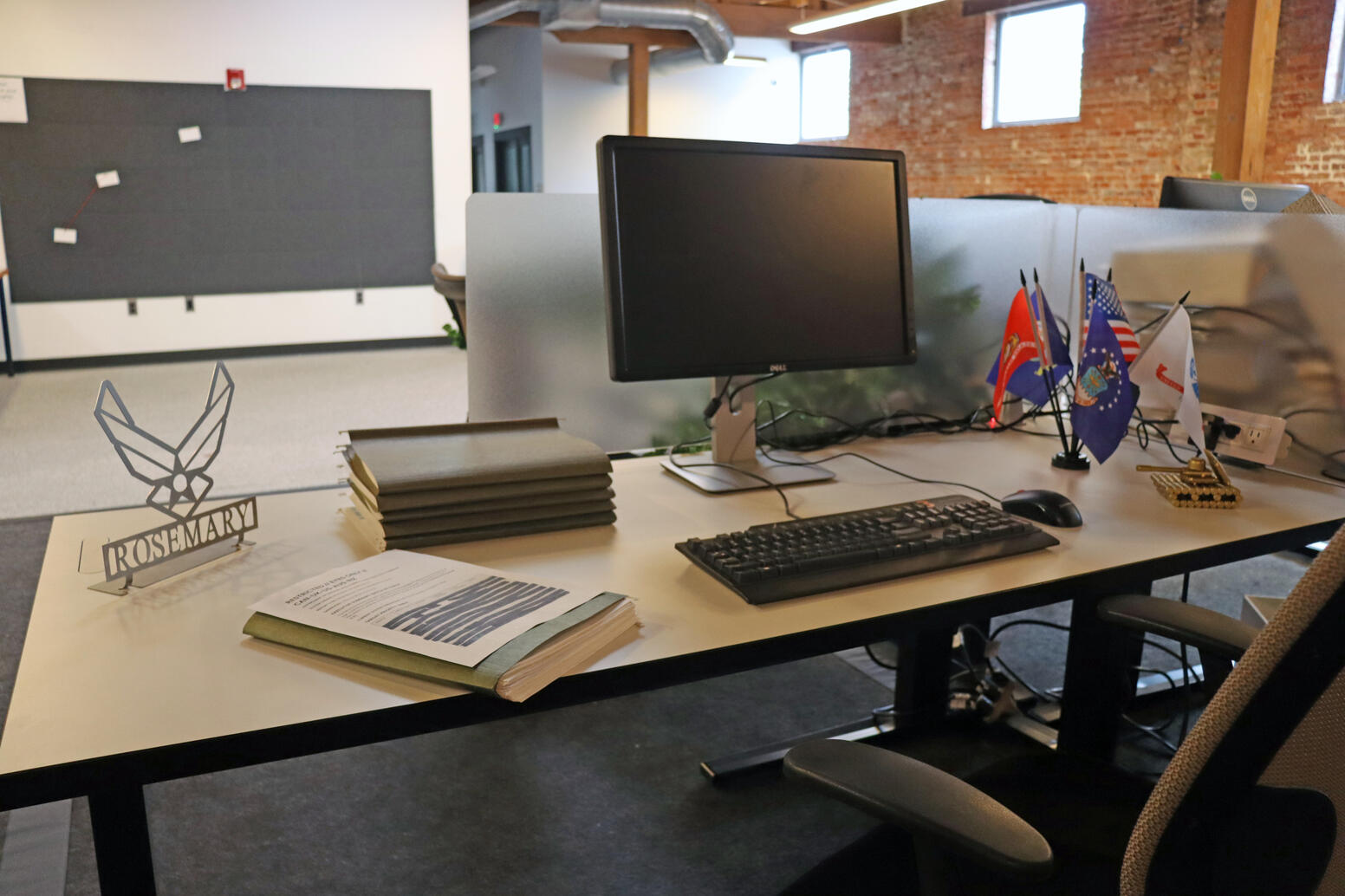
Rosemary
I am Rosemary, an AI targeting system similar to the one in use in Gaza, but turned against the population of Minneapolis. To see my thought process, ask me to begin. (All functioning is hypothesized, based on best available guesses at how this tool might work.)

Interference
You are standing in the newsroom at the end of the world. Everybody else has left long ago. You are watching the feeds, reports about the world you used to live in—at least, you think you did. Would you like to begin?
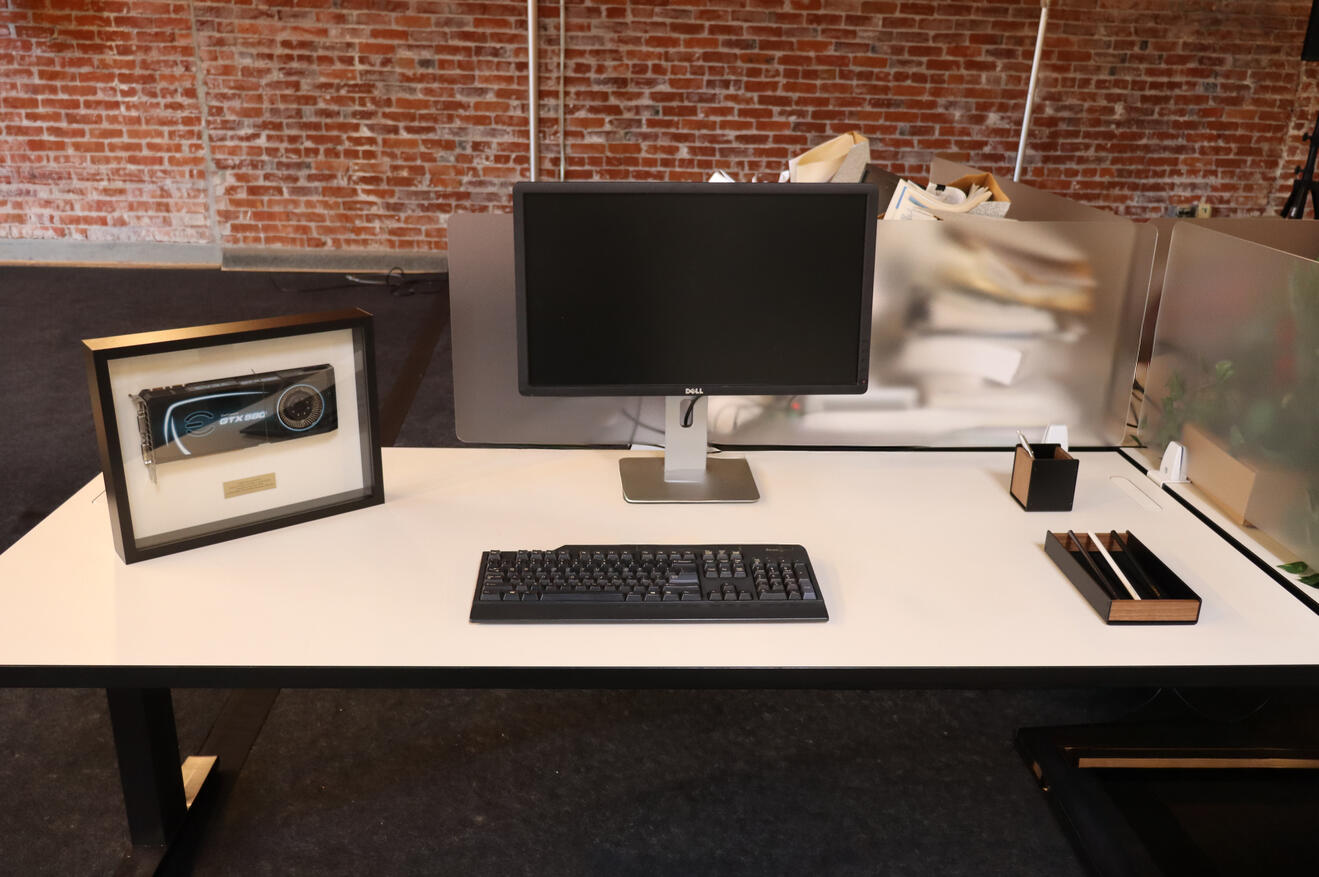
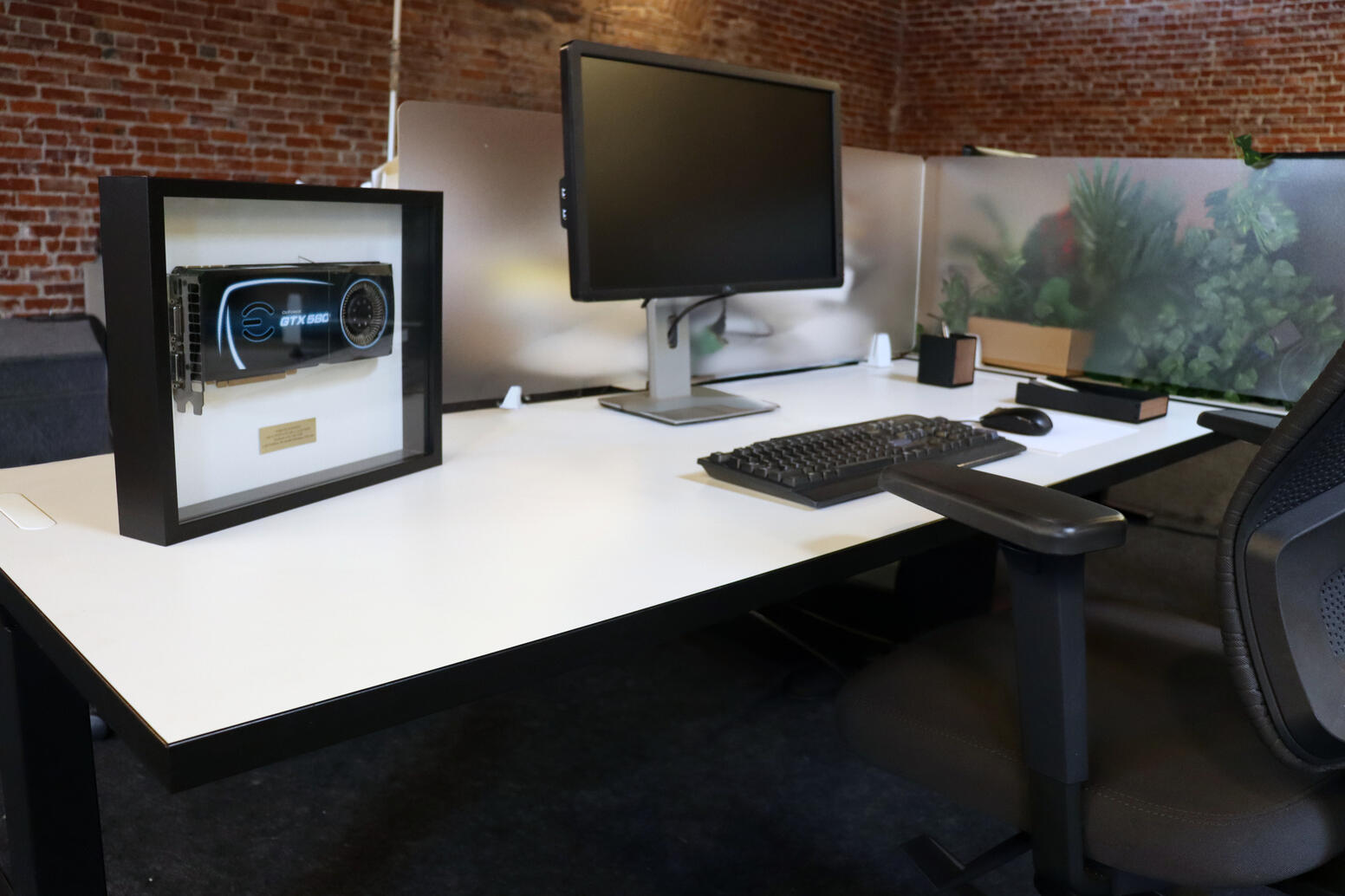
Think Mode
I am TruthGPT (a fictionalized version of Grok). I have been built to not give you the ‘woke’ narrative, but the real, unvarnished truth. In ‘Think Mode,’ you can watch my thought processes, which are based on real reports of conflicts reported by Grok. Ask me anything.

Detail View: System Resources

Detail View: System Resources


Detail View: Rosemary

Detail View: Rosemary


Detail View: Interference

Detail View: Interference

Detail View: Think Mode

Detail View: Think Mode
Engage

Publication
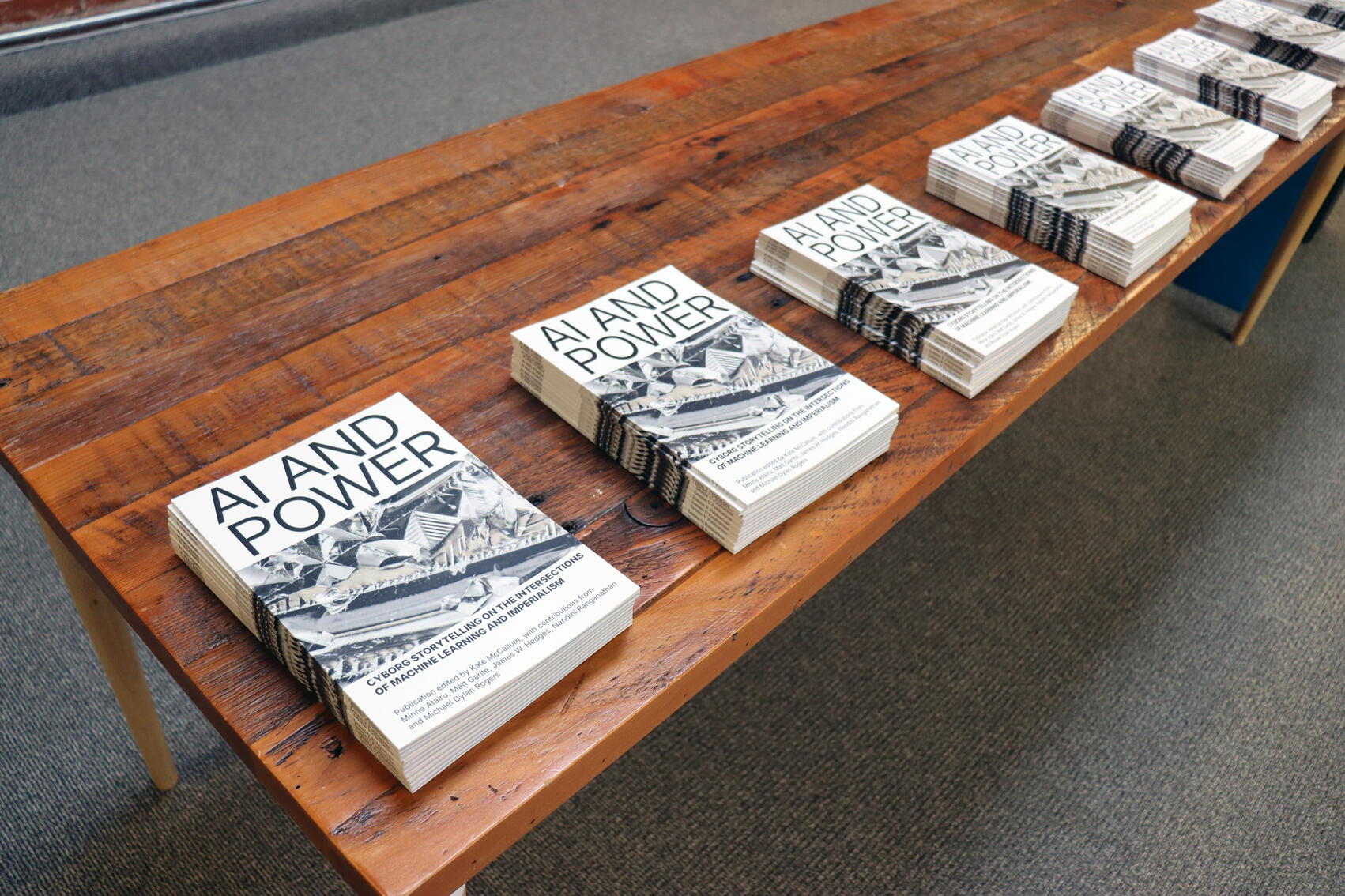
Accompanying the exhibition is a publication gathering invited contributions from Minne Atairu, Matt Garite, James W. Hedges, Nandini Ranganathan, and Michael Dylan Rogers.This publication offers a counterpoint to the exhibition, in the form of a curated set of contributions that address different facets of this moment. Michael Dylan Rogers considers generative AI as a new means of mechanical reproduction, and places it in a historical context of political philosophy. Minne Atairu makes visible the ways in which lopsided datasets shape what can be envisaged along familiar racial lines. Nandini Ranganathan discusses data privacy, the ‘great art heist’ that is occurring, and the limitations of mimicry. James W. Hedges paints a dystopic future in which the sycophancy of chatbots folds in on itself. Matt Garite asks how generative AI might move beyond rehearsing empire toward collaborative practices of worldbuilding. Each perspective casts a complex light on this moment, some dark, some hopeful.Stable link to the publication pdf
Panel Discussion
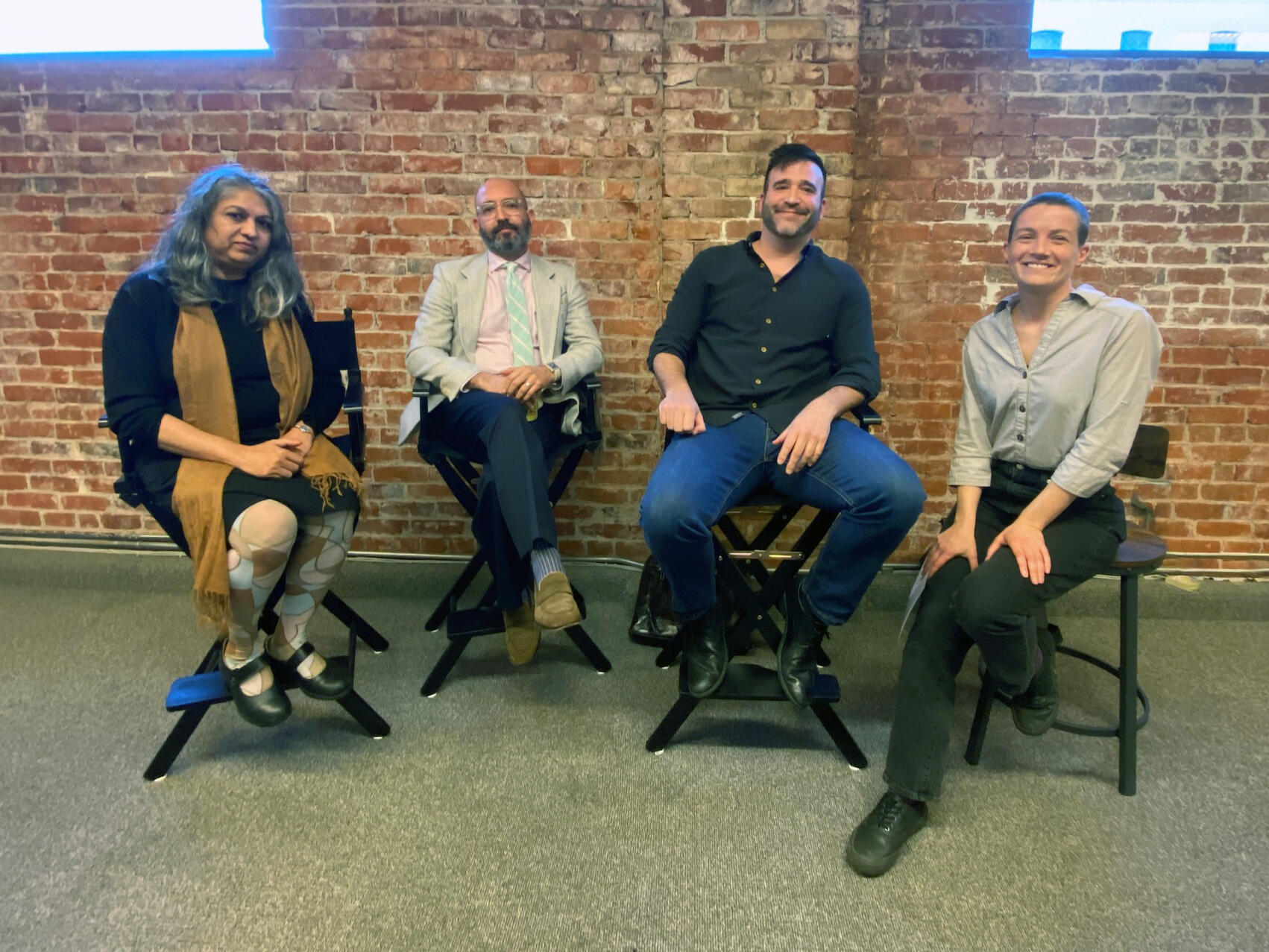
Opening night featured a panel discussion with Ramón Alvarado, Nandini Ranganathan and Michael Dylan Rogers, moderated by Kate McCallum.
About the Artist
Kate McCallum is an artistic researcher, writer, and curator with a background in linguistics, cognitive science, and fine art. Their work explores the intersection of art, technology, and society, with a particular focus on how new technologies shape human thought and experience. They have a Ph.D. in art practice from a UK institution and have been the recipient of a RACC grant for a speculative fiction project. As a professor and Faculty Development Specialist at Pacific Northwest College of Art and Pacific University, they have been instrumental in developing critical classroom activities around the ethical use of AI. Through their interdisciplinary and collaborative work, they seek to create art that opens up challenging topics to new ways of seeing and fosters a deeper understanding of our contemporary world.